Multimedia & Installations: Spatial Sound Work by Amedeo Cappelletti

Multimedia & Installations
Video documentation of the Origins installation

Origins

Sound design, Amedeo Cappelletti

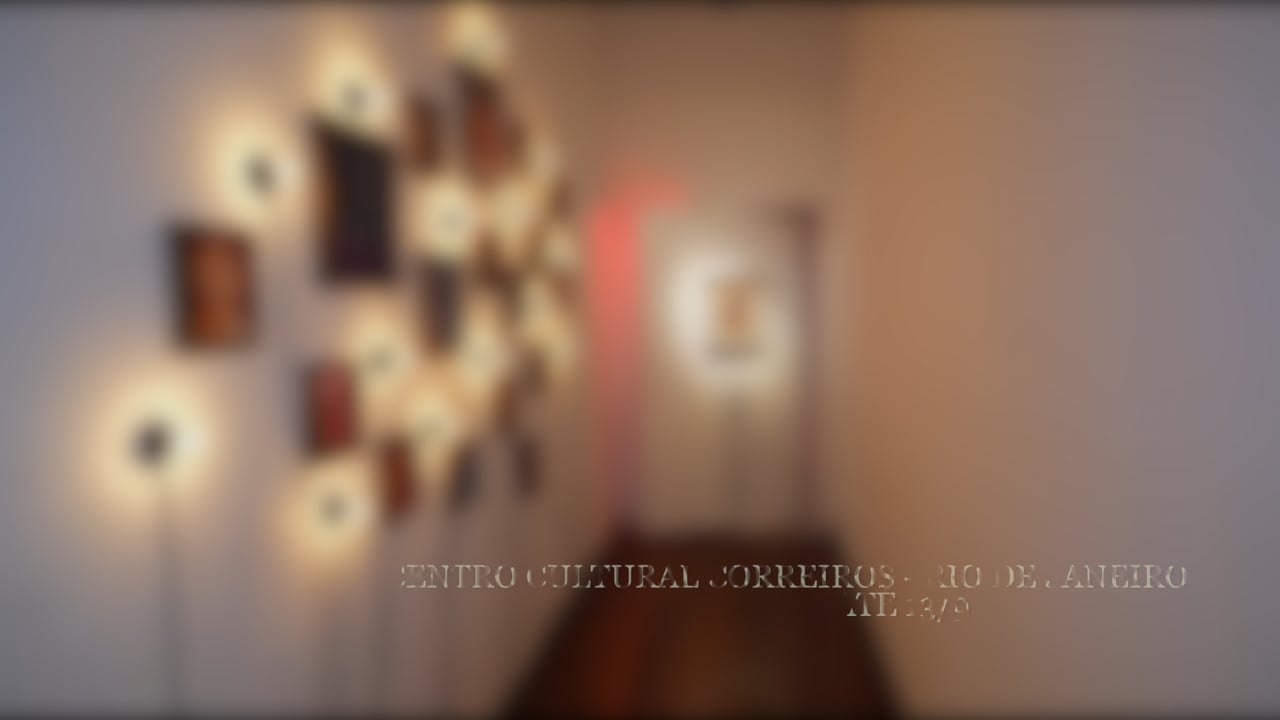
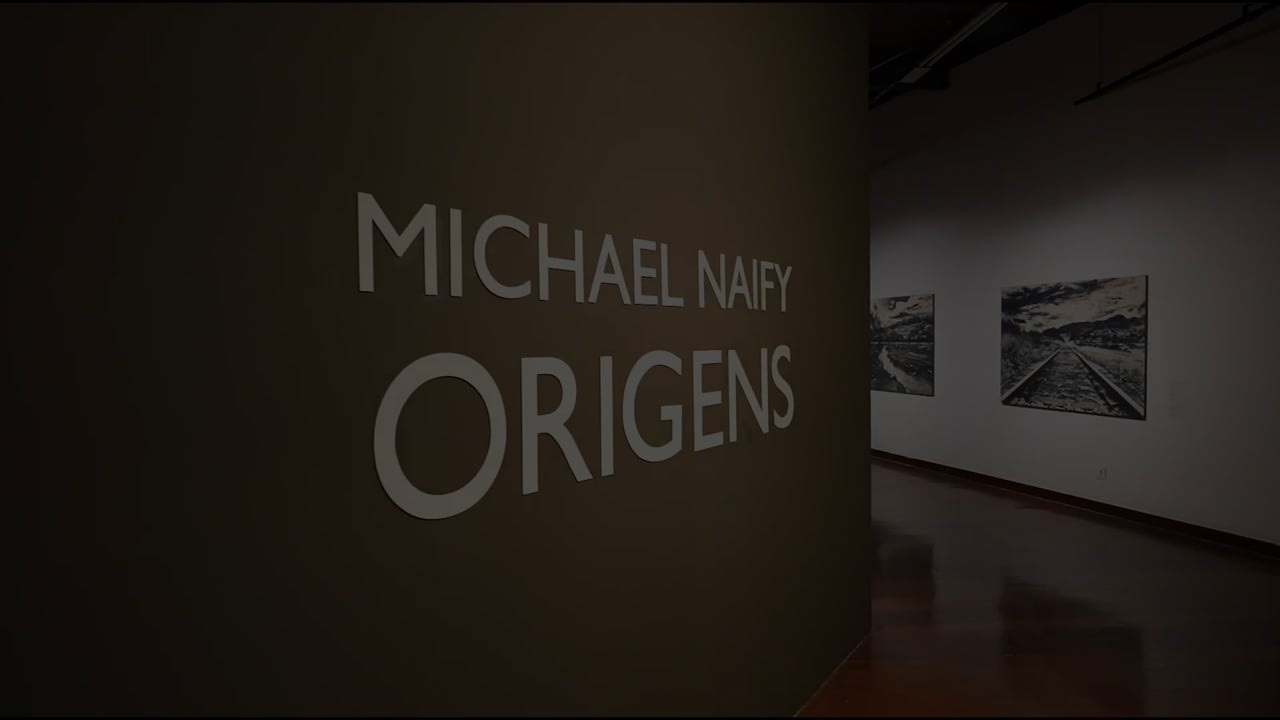
Sound installation for the Origins (Origens in Portuguese) photography exhibition by Michael Naify at the Centro Cultural dos Correios, Rio de Janeiro. The sound was created to loop seamlessly so it could play in the gallery space as a sonic backdrop as the exhibition took place. I worked with personal and publicly available field recordings, including some featuring iron mine workers, the Brazilian tropical forest fauna and traditional chants from the region of Minas Gerais. Musically I chose to portray a feeling of slow, hazy dread and pixelated noise, to accompany the exhibition thematically and aesthetically.

Artist's statement, Michael Naify

Origins is a body of work attempting to scratch the surface of a rich but brutal history. A history of discovery and exploitation in the mineral rich area of Minas Gerais, Brazil (in Portuguese the word "exploração" translates to both exploitation and exploration).

Iron workers hands, Contagem, Belo Horizonte
Iron workers' hands, Contagem. Photo: Michael Naify
Grota de Macumba, Parque Estadual do Sumidouro, Minas Gerais
Grota de Macumba, Parque Estadual do Sumidouro. Photo: Michael Naify

This project is composed of coffee-stained cyanotypes, one of the first photographic processes developed in the mid-19th century. Its principal active ingredient is iron salts, evoking the area known as the "Iron Triangle," where the imagery for this work was taken. The state contains the world's richest veins of iron ore, the mining of which comprises much of its economic activity.

Gold mine excavated by children, Ouro Preto, Minas Gerais
Gold mine (excavated by children), Ouro Preto. Photo: Michael Naify
Creeping vine, São João del Rei, Minas Gerais
Creeping vine, São João del Rei. Photo: Michael Naify

Slavery was essential to the cycle of gold mining that began in the 17th century and preceded the iron industry of today. While the institution of slavery was abolished in Brazil (in 1888, the last country in the Americas), its systems and structures have persisted to this day.

Tabernacle celebrating the achievements of the Baron de Paraopeba, Fábrica Patriótica, Minas Gerais
Tabernacle celebrating the achievements of the Baron de Paraopeba, Fábrica Patriótica. Photo: Michael Naify
Fasting mask for kitchen servants, estate of the Baron de Paraopeba
Fasting mask for kitchen servants, estate of the Baron de Paraopeba. Photo: Michael Naify

The process of staining the images in coffee not only alters the color and tone of the images but also references one of the main activities of slavery in Brazil in the 19th century, the harvesting of coffee beans. The coffee and iron salts used to render these images are themselves commodities that are still mined and made in the area (coffee, iron, gold, silver). The process of staining also resonates with the idea of remnants. My work is concerned with recording the reflections and shadows I perceive of this history as well as the direct evidence of it.

Iron worker, Minas Gerais
Iron Worker. Photo: Michael Naify
Meat delivery, Sabará, Minas Gerais
Meat delivery, Sabará. Photo: Michael Naify

In August 2026, the installation was also shown at RUDE, Rural Design's festival held within the National Park of the Mines of Monte Amiata, Tuscany, itself a former mercury-mining district. Presented there, the piece drew a parallel between that Italian rural mining history and the Brazilian one Origins explores.

RUDE, Amiata Rural Design 2026, Mercurio: Minatori di Altri Mondi, inside the former mercury mine building
RUDE, Amiata Rural Design 2026
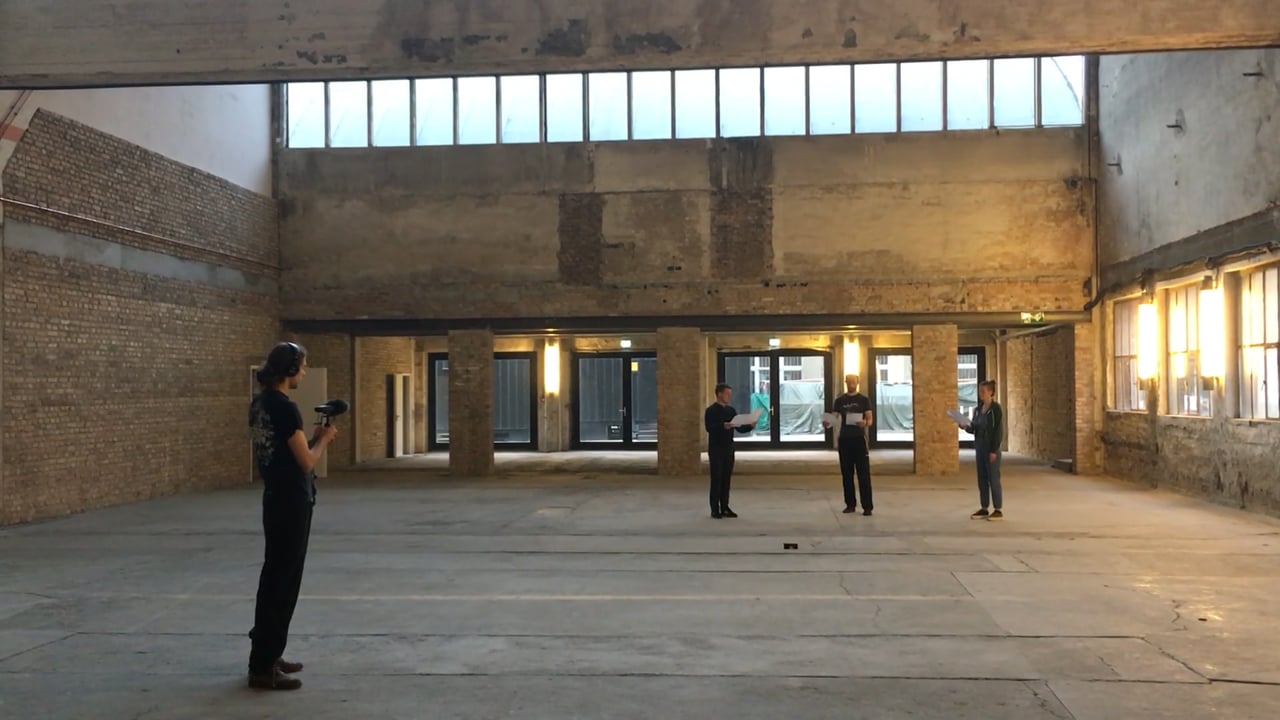
Video documentation of a choir recording session at Monom
Spatial Sound Institute · Berlin, 2019

Monom

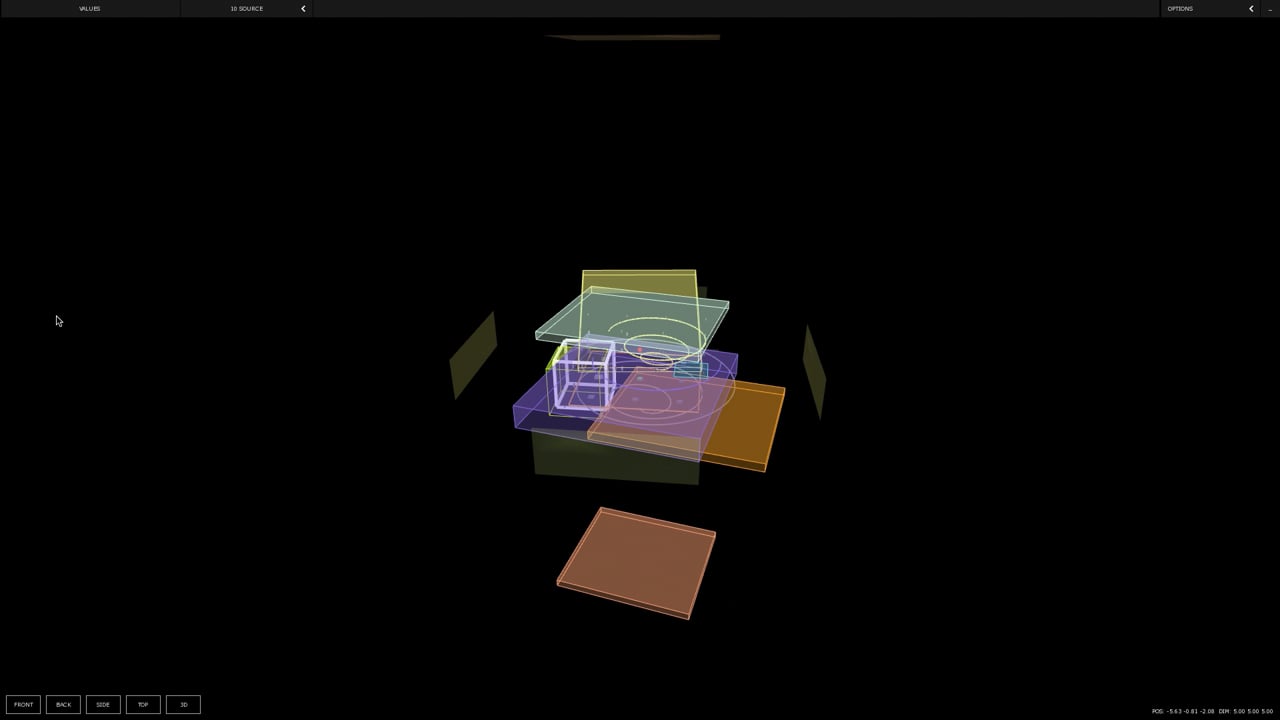
Sound engineering internship and spatial sound residency at Monom, the Spatial Sound Institute of Berlin, working across its 4D Sound system of 54 speakers.

4D Sound is an object-based spatial system: rather than mixing to fixed stereo channels, each sound source is placed and moved freely in three-dimensional space across the room's full speaker array, so the audio itself carries a physical position and trajectory, not just a left-right balance.

Monom, studio desk beneath the acoustic mesh columns
Monom studio photo. Photo: Pablo Diserens

Time was split between studio sessions, recording choirs and voice in the studio for a clean, dry version.

Monom, vocal booth session, three people recording behind acoustic baffles

Sessions were also held outside, taking advantage of the building's architecture and acoustics.

Monom, recording choir outside using the concrete building's acoustics

It was then mixed using Monom's proprietary 4D Sound spatial software in Max4Live, and developed into a final work presented privately on the full 54-speaker rig.

4D Sound personal project at MONOM

The final piece itself is hard to share here: 4D Sound is built for that specific room and speaker array, and doesn't translate to headphones or an average stereo system. It's sound made in that space, for that space, which was itself a central question in my thesis, on how available spatial audio actually is for home and commercial use.

Video documentation of Shiné: A Way Inside

Shiné: A Way Inside

Sound installation, Hermitage of San Michele Arcangelo, Todi, Italy.

Sound design, Amedeo Cappelletti

Shiné is an analogue multimedia installation whose aim is to slow down the heartbeat of participants and induce them to contemplation. Shiné is a Tibetan term which can be divided into two syllables, the first "shi" means tranquil and "né", abiding. So shiné is tranquil or calming and abiding in that which is. Shiné is practised within meditation in several ways, the most common way is that of focusing on one's breath, or, alternatively, on sound.

The installation includes 21-minute sessions, in which 2, 4, 8, or 16 spectators can participate depending on the size of the space. Each session is governed by the recorded soundtrack, which is broadcast in high definition from a minimum of 2 to a maximum of 5 speakers. During the session, each spectator has the right to stand up and strike one of the Tibetan bowls placed in front of them, one to three times. These ancient bowls are the instruments with which the soundtrack was created. Once the session is over, participants can rise and make way for others or stay for another 21-minute session. Each visitor can freely leave before the end of the session, but not before having left with one, two, or three strikes on the chosen bowl. Between each session there is a 3-minute break, and once exited, a participant can no longer re-enter the same session. Upon leaving, visitors are invited to write a short comment in a guests' book.

Piranha, sound installation, London

Piranha

Sound installation for an artwork exhibition, London.

Sound design, Amedeo Cappelletti

The sound is shaped by the artist's requests. She shared some examples of baile funk and asked if the songs' structures could be taken as inspiration, but replaced with metallic percussion and sounds that would devolve and turn into an intense, confrontational cacophony over time. Water, and the sensation of a fish swimming through it, was also requested as a sonic backdrop.

Piranha, sound installation, London, detail
Installation detail
Piranha, sound installation, London, installation view
Installation view

Mood board, Hannah Cosac Naify

Baile Funk (“Funky”) is a Brazilian sample-based music genre derived from the rhythms of religious songs of the African diaspora, that became popular in Rio de Janeiro's favelas. The vocals focus on violence, drugs, sexuality, and social injustice. A sound that allows the artist to be heard and seen from invisible places.
The Woman, a sex worker, referred to in Funky as “piranha”, narrates her experiences living outside of society.
P.S. Don't forget her sharp teeth

Funky – Piranhas / Cannibalismo (to taste)

The man grabs the piranha with cautious confidence in his two hands to show the others around him. He knows how to hold her in order to not get bitten. He directs the group to circle around him to take a closer look at the notorious man-eater, known for its ability to inhale anything presented to it.

The camera approaches the piranha, zooming in to its teeth and expressions.

The man grabs a wooden stick and shoves it into her mouth to demonstrate the sharpness of her teeth. The piranha bites off a piece of the stick with ease as she is trapped and force fed. When the stick is not being shoved into her mouth she bites the air in resistance.
The man continues, amazed and aware of the danger she wields in her sharp teeth.

Displaced from her natural habitat, held outside of the water by a stranger, struggling to breathe while he forces her to eat, she wriggles under the eyes of the others, who imagine her mechanical omnivorous instinct to receive, aroused by her lack of desire.

As the myth goes:
The piranha is a consuming machine, eating itself to extinction, regardless of its own hunger.

Video documentation of the For The Invisibles installation

For The Invisibles

Sound installation for a painting exhibition, Rio de Janeiro.

Artist's statement, Simone Cosac Naify

"17 children go missing every day in Rio de Janeiro, many due to family aggression, sexual abuse, involvement in trafficking, or hunger. The Eighteenth on the Door is the first in a series I'm developing called 'The Invertebrates,' which signifies society's indifferent reaction to this fact." (Simone Cosac Naify)

Portraits from Simone Cosac Naify's The Invertebrates series
Soundwalk, public sound walk, Berlin

Soundwalk

Public soundwalk organized to bring attention to hidden metropolitan sound worlds, Berlin.

Video documentation of the Soundwalk
Video documentation of the Soundwalk. Highlight at 5:05, finding radio transmissions through a city lamppost